

Sell Your Mobile Home in Amarillo or Canyon, Texas
Haley Sutter, REALTOR® - The Mobile Home Selling Specialist in the Texas Panhandle
A mobile home sale can go very smoothly… or it can completely fall apart if the details aren’t handled correctly.
That’s why having an experienced agent matters.
What Can Affect a Mobile Home Sale
Many people assume selling a mobile home is just like selling any other house.
In reality, manufactured homes involve several additional considerations.
These can include:
• Foundation certifications required by lenders
• HUD certification labels and data plates
• Title verification through TDHCA
• Loan program restrictions based on the year the home was built
• Septic and well inspections on rural properties
• Installation requirements that must meet federal standards
These additional steps do not make mobile homes harder to sell, but they do require careful preparation and experience.
Permanent Foundations and Engineering Reports
One of the most common requirements in a mobile home transaction is a foundation certification.
Many loan programs require confirmation that the home is installed on a permanent foundation that meets HUD guidelines.
This certification is typically completed by a licensed engineer who verifies:
• Proper tie-down and anchoring systems
• Support pier spacing
• Structural stability
• Compliance with HUD installation standards
If the installation does not meet those standards, a foundation retrofit may be required.
A retrofit may involve:
• Installing additional anchors or tie-downs
• Adjusting or replacing support piers
• Correcting foundation spacing
• Bringing the installation up to engineering standards
These issues are not uncommon and are usually manageable when identified early in the process.
HUD Tags and Data Plates
Manufactured homes include identification components that lenders often verify during financing.
HUD Certification Labels
These small metal plates are attached to the exterior of the home and confirm the home was built according to federal HUD construction standards, which began in 1976.
Lenders frequently verify these labels during the loan process.
Data Plate
Inside the home is a sheet called the data plate.
This document includes important information such as:
• Manufacturer details
• Serial numbers
• Wind zone ratings
• Roof load ratings
• HUD certification numbers
If HUD tags or the data plate are missing, replacement documentation can often be ordered, but it may add time to the transaction if not addressed early.
Mobile Home Ownership Records
Manufactured homes have ownership records maintained through the Texas Department of Housing and Community Affairs (TDHCA). In Texas, the primary ownership document is called a Statement of Ownership.
Before listing a manufactured home, I want to verify who currently owns the home, whether there are any recorded liens, and whether the home is classified as personal or real property.
Common issues include:
• Incorrect or outdated ownership records
• Outstanding liens
• Ownership still showing a previous owner
• Real-property status that was never properly recorded
Verifying this information early helps ensure the property can move smoothly through the closing process.
Rural Property Considerations: Wells, Septic, and Acreage
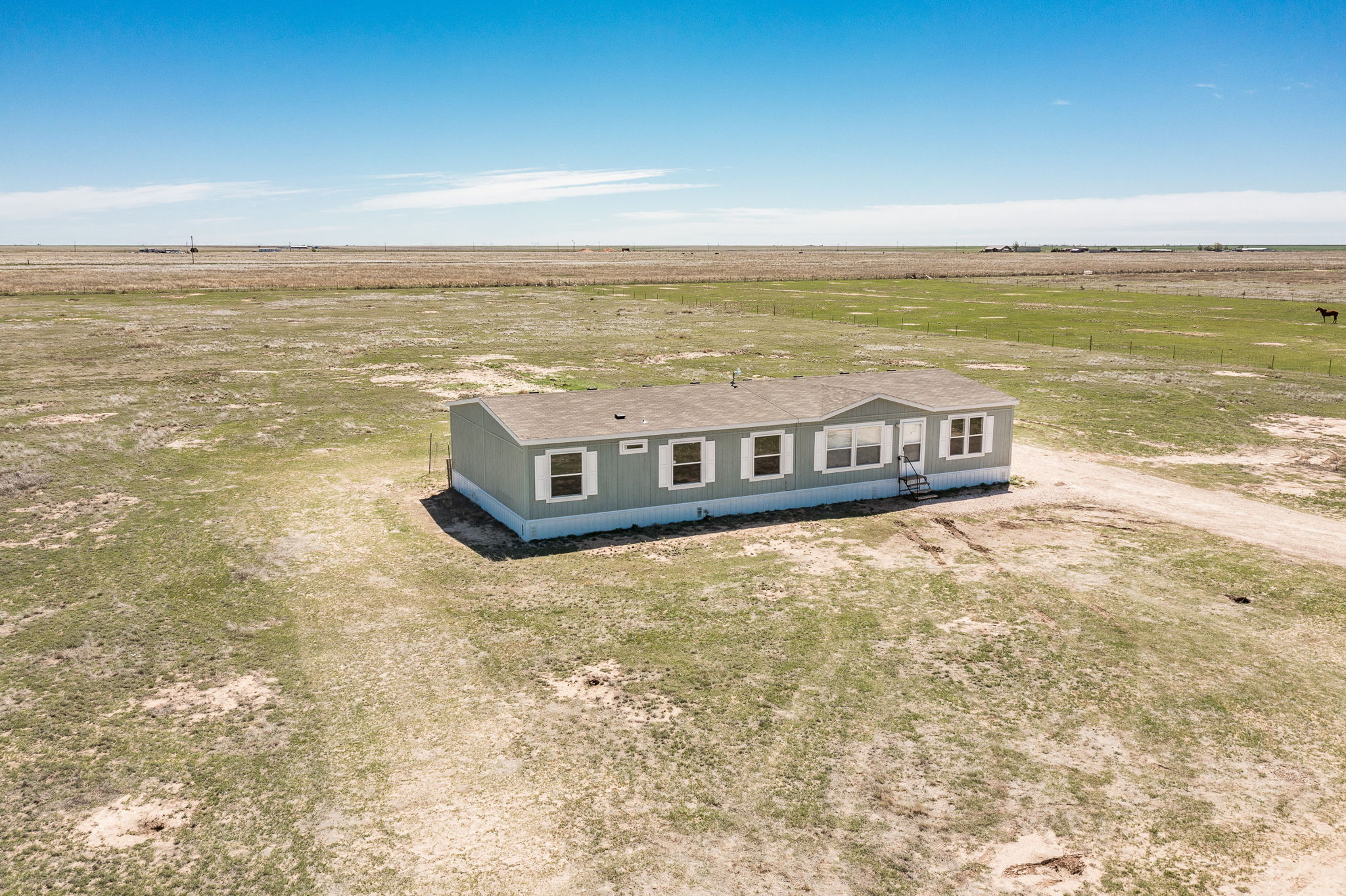
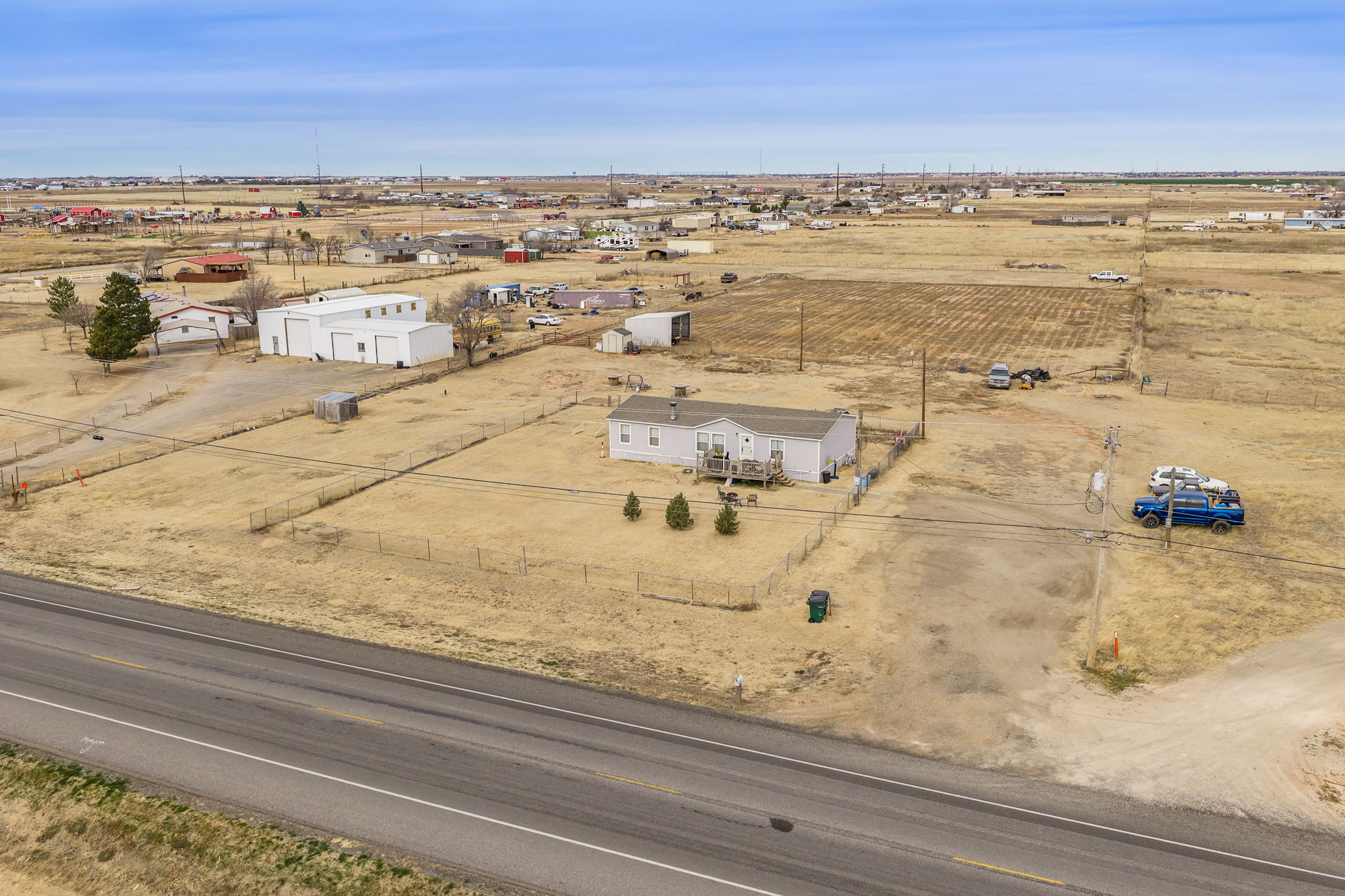
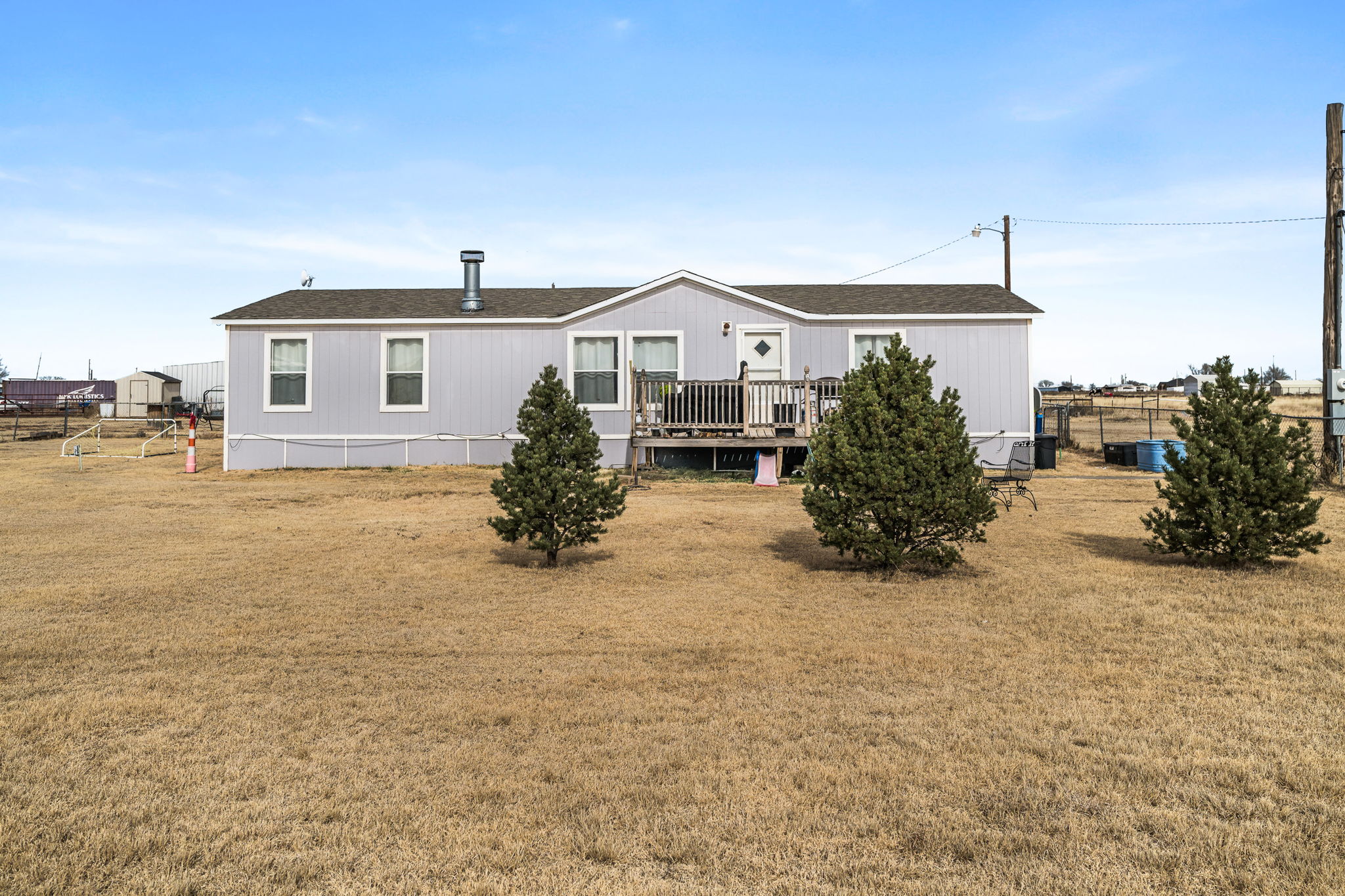
Many manufactured homes in the Amarillo area sit on rural land.
Because of this, additional inspections may be required depending on the property.
These can include:
• Septic system inspections
• Well inspections
• Water quality testing
• Distance requirements between wells and septic systems
These inspections are common for rural properties and are typically straightforward when addressed early in the transaction.
Homes That Have Been Moved
Another factor lenders often consider is whether the home has been moved from its original installation site.
Some loan programs limit financing if a manufactured home has been moved more than once.
Understanding the home's move history can help determine which buyers and loan programs may be available.
Can You Sell a Mobile Home Without Land?
Yes, but selling a manufactured home without land is a different type of transaction than selling the home and land together.
In Texas, manufactured homes are treated as personal property by default unless the owner has properly elected to treat the home as real property. That status is documented through the Texas Department of Housing and Community Affairs using a Statement of Ownership.
If the home is being sold without land, the first step is verifying the current ownership records, any liens, and how the home is classified with TDHCA.
If the manufactured home is being sold with land, we also need to verify whether the home has already been properly elected and recorded as real property. Simply sitting on land—or even being sold with the land—does not automatically make the manufactured home real property in Texas.
That’s why I check the ownership status early, before the property goes under contract.
How Mobile Homes Are Priced in Amarillo
Mobile home pricing can vary more from property to property than traditional houses.
Several factors influence value.
Age of the Home
Loan programs and buyer demand can depend on the year the home was built.
Condition and Updates
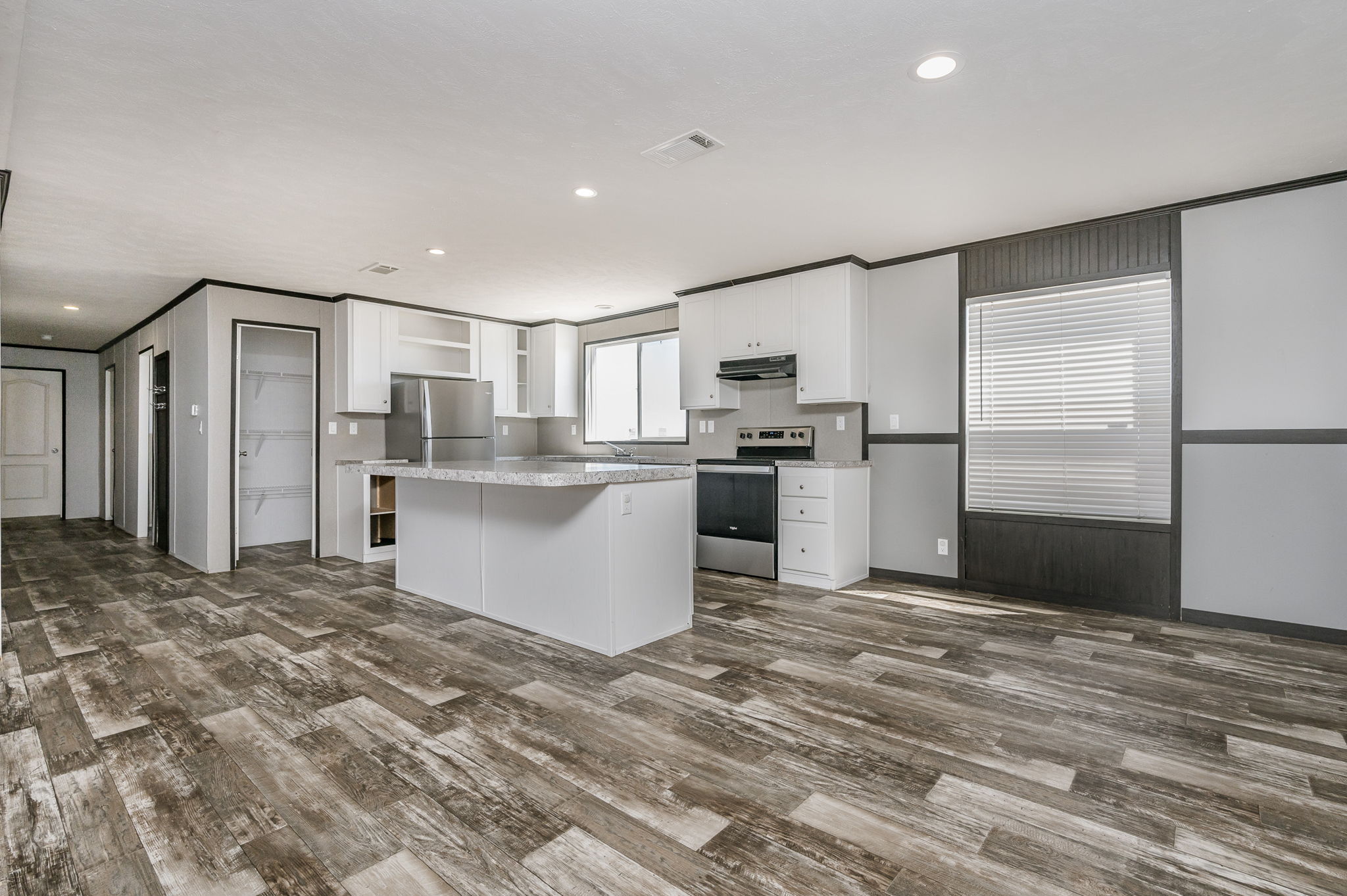
Interior upgrades, roofing, HVAC systems, and overall condition can affect pricing.
Land Size
Many mobile homes in the Amarillo area sit on acreage. The size of the property and location can influence demand.
Shops, Barns, and Outbuildings
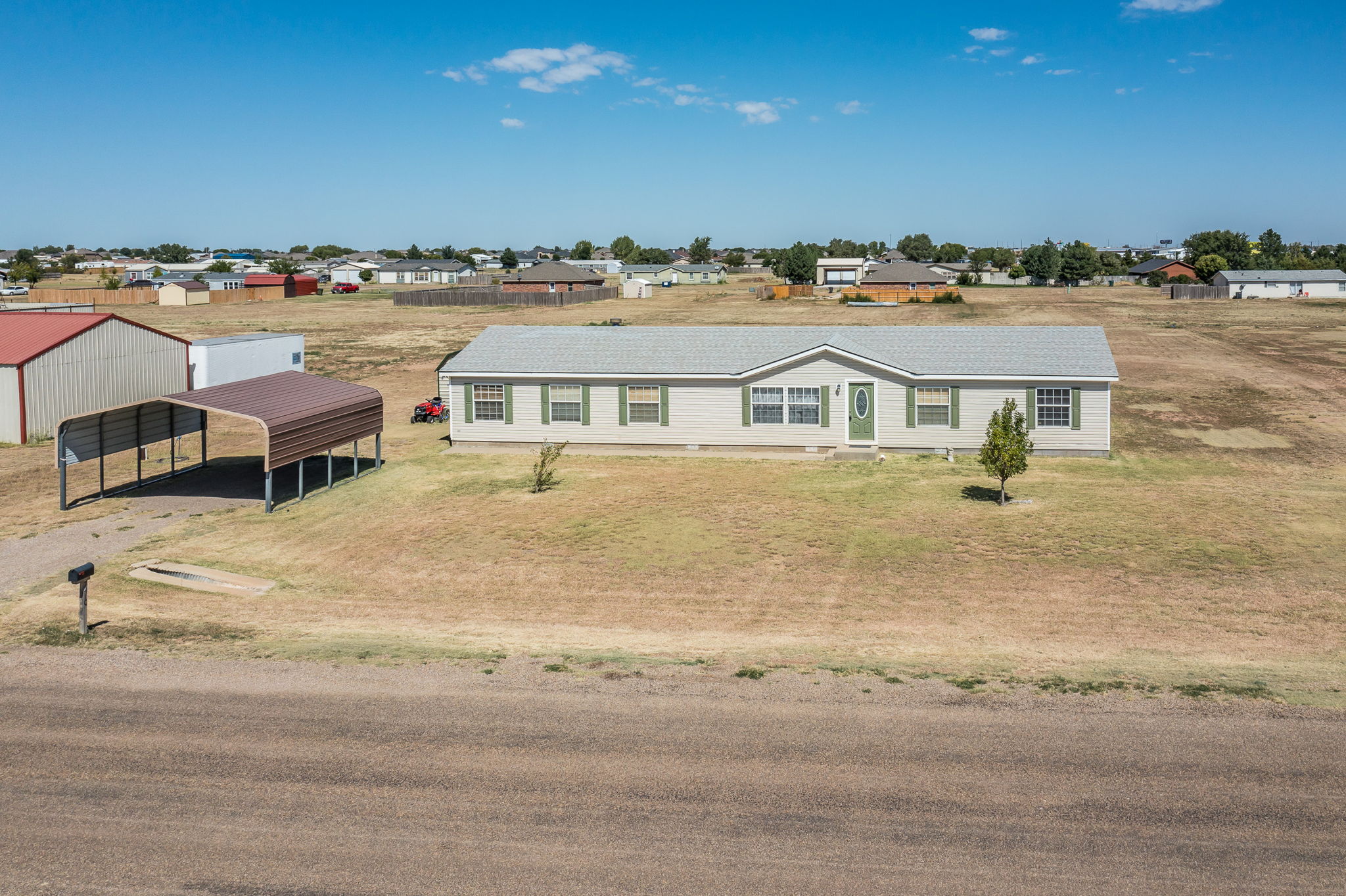
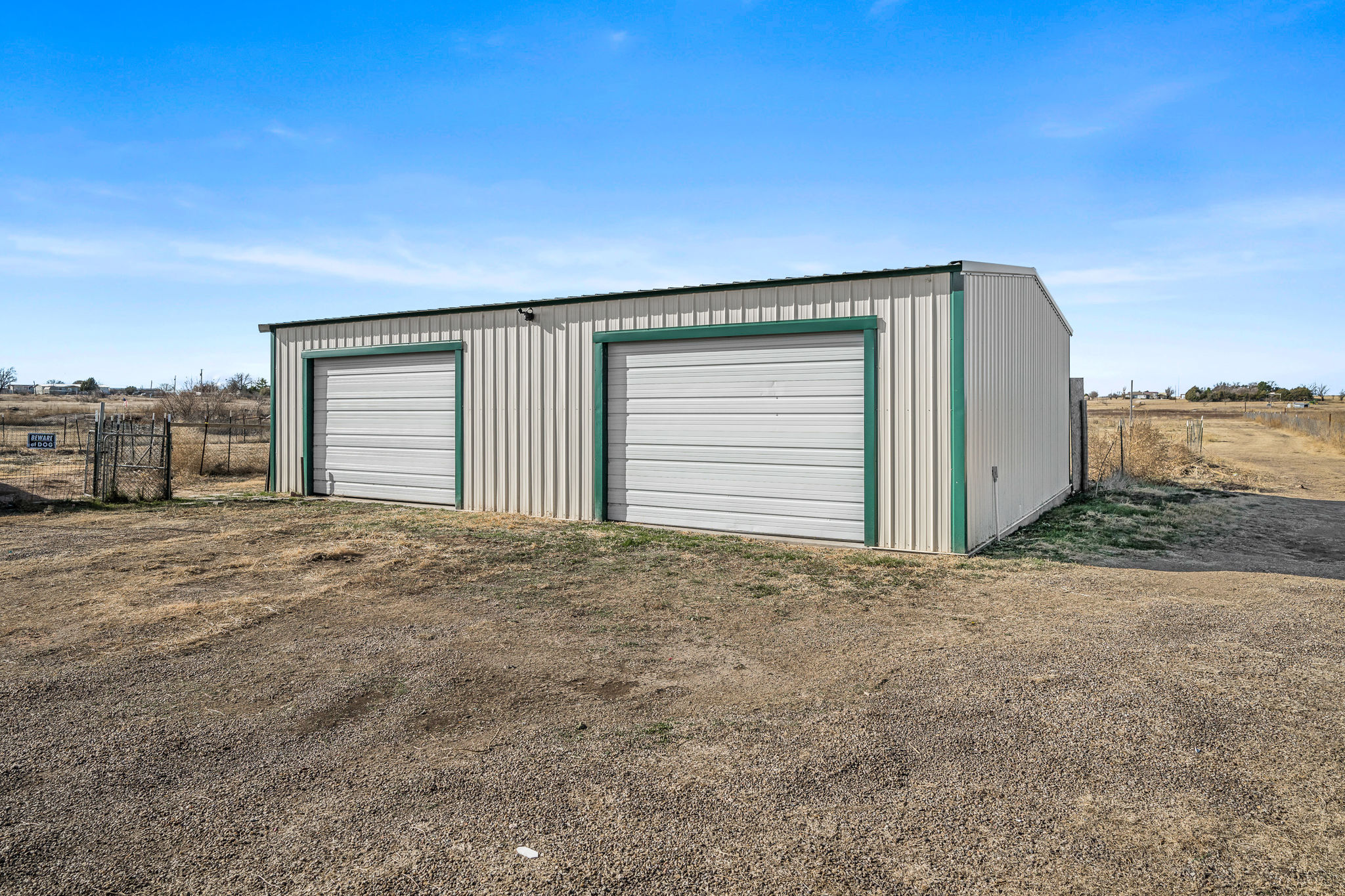
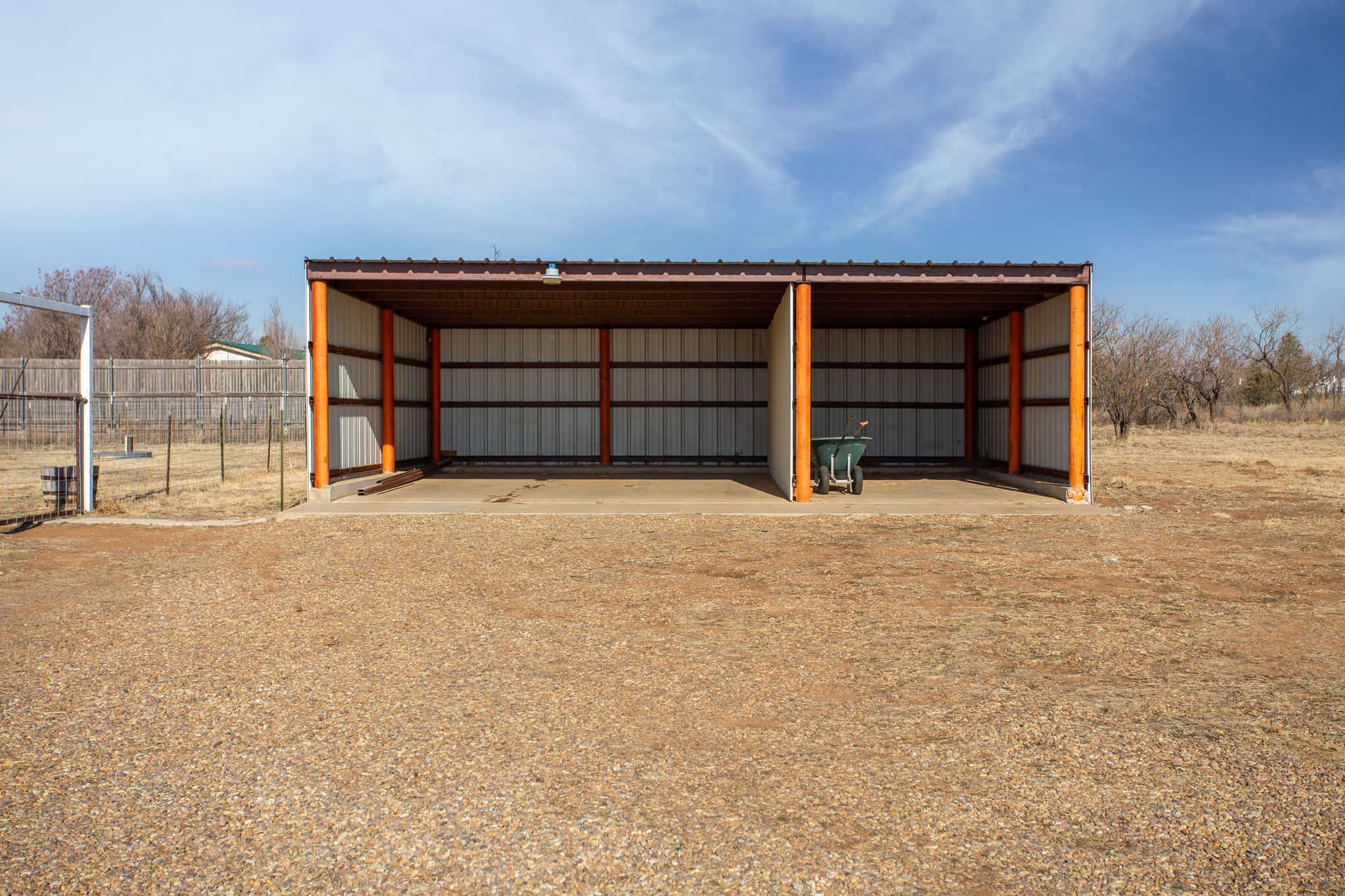
Additional structures such as shops, barns, or livestock facilities can add appeal for buyers looking for rural properties.
Deed Restrictions
Some properties allow livestock, additional structures, or agricultural use, while others have restrictions that limit how the land may be used.
Because every mobile home property is unique, reviewing comparable sales is the best way to determine market value.
Steps to Selling a Mobile Home in Amarillo or Canyon
Selling a mobile home involves several important steps.
Step 1: Verify Ownership and Title Status
Confirm the home’s ownership records and title status.
Step 2: Review Foundation and Installation
Determine whether a foundation certification may be required.
Step 3: Check HUD Tags and Data Plate
Verify the home’s identification components.
Step 4: Prepare the Property
Address maintenance items and prepare the home for showings.
Step 5: Market the Property
List the property in the MLS and promote it online.
Step 6: Navigate Inspections and Financing
Coordinate inspections and lender requirements once a buyer is under contract.
Step 7: Closing
Finalize the transfer of ownership through the title company.
Are Mobile Homes Harder to Sell in Amarillo?
Not necessarily.
Manufactured homes play an important role in housing across the Texas Panhandle.
Many buyers actively look for:
• Affordable housing options
• Rural properties with land
• Investment opportunities
When priced correctly and prepared properly, mobile homes can attract strong buyer demand in the Amarillo and Canyon markets.
Why Some Agents Avoid Mobile Homes — And Why I Don’t
Mobile and manufactured home transactions can come with extra details that don’t always show up in a traditional home sale — ownership records, HUD information, foundation requirements, engineering certifications, move history, financing restrictions, wells, septic systems and acreage.
Because of that, some agents simply don’t like working with them or don’t take many mobile-home listings.
I do.
For many buyers and sellers in the Amarillo area, mobile and manufactured homes are an important housing option, especially when they’re located on land or acreage.
Over the years, I’ve worked with many manufactured home transactions in Amarillo, Canyon and the surrounding area, and I understand the unique details that can come with these properties. I also live in a manufactured home myself, so I understand them from more than just the transaction side.
That experience helps me spot potential issues early, prepare sellers for what may be needed, navigate lender requirements and guide the transaction from listing to closing.
Why I Love Mobile Homes
Mobile homes are often misunderstood, but they offer some of the best value in housing today.
In the Amarillo area, they often provide buyers with the opportunity to own a home and land at a more affordable price point.
Many properties offer:
• Acreage outside the city
• Space for animals or hobbies
• Shops or barns
• Rural privacy
Modern manufactured homes have also improved significantly over the years with better construction standards and updated designs.
And there’s another reason I’m passionate about them:
I live in one myself.
That means when I work with clients buying or selling manufactured homes, I’m speaking from personal experience as well as professional knowledge.
Thinking About Selling Your Mobile Home?
If you’re considering selling a mobile home in Amarillo or Canyon, preparation and experience can make a big difference in how smoothly the process goes.
Understanding the unique requirements involved in manufactured home transactions helps ensure the property is properly prepared, marketed effectively, and positioned to attract qualified buyers.
📞 Call or text Haley Sutter, REALTOR®
Or request your home value online.
Haley Sutter, REALTOR®
Amarillo & Canyon Texas Mobile Home Real Estate Specialist
Reviews
“Haley was absolutely awesome to work with! She was always available whenever we had questions and was incredibly fast to respond. Most importantly, we really felt like she genuinely looked out for us throughout the entire process. We highly recommend her! If you are looking for a realtor in Amarillo, look no further.”
“I had a great experience working with Haley Sutter to sell my land. She was professional, knowledgeable, responsive, and helpful throughout the entire process. Haley kept me informed, handled everything efficiently, and made selling the property a smooth and stress-free experience. I truly appreciate her hard work and dedication. I would recommend her a thousand times to anyone who needs help buying or selling real estate!”
“I was tasked with selling my mom’s house in Amarillo from Minnesota. Haley was the second realtor to view the home and give an assessment. From the moment I spoke with Haley, I knew she was the right choice. She was knowledgeable on the area market and gave an honest estimate of what the home would sell for based on the market. Haley also advised me on what repairs were absolutely needed for the house to sell and what repairs were not necessary. Haley was highly responsive, she swiftly replied to my probably endless questions! Selling a home from a different state is difficult and this situation was emotional for us, but this was truly a seamless and quick process. We had multiple offers on the home within just a few days due to Haley’s knowledge and recommendations. Highly recommend!”