


When you’re buying a home, your financing can affect more than your down payment and monthly payment. It can also affect which homes are a practical fit for your purchase.
That matters when you’re considering a home advertised “as-is,” as needing TLC, or as an “investor special.” Those phrases often point to a fixer-upper that needs quite a bit of work. They can also signal that the seller isn’t planning to make repairs.
The wording alone doesn’t determine whether a home will qualify for FHA financing. But based on what these phrases usually mean, buyers using FHA should treat them as warning signs and talk with their lender before making an offer.
FHA and conventional loans: what’s the difference?
FHA loans are insured by the Federal Housing Administration. They’re commonly used by first-time buyers, but you don’t have to be a first-time buyer to use FHA financing.
Conventional loans aren’t insured by the federal government. Each loan type has its own borrower and property requirements, and the right option depends on your finances, the home, and the lender’s guidelines. Your lender can help you compare your options before you make an offer.
Why the home’s condition matters with FHA
For an FHA loan, an appraisal helps the lender evaluate the home’s value and whether it meets FHA’s minimum property requirements. In general, the home needs to be safe, sound, and secure. If a condition raises a concern, the lender may require additional information, an inspection, or a repair before the loan can move forward.
Depending on the home and the lender’s review, concerns might include:
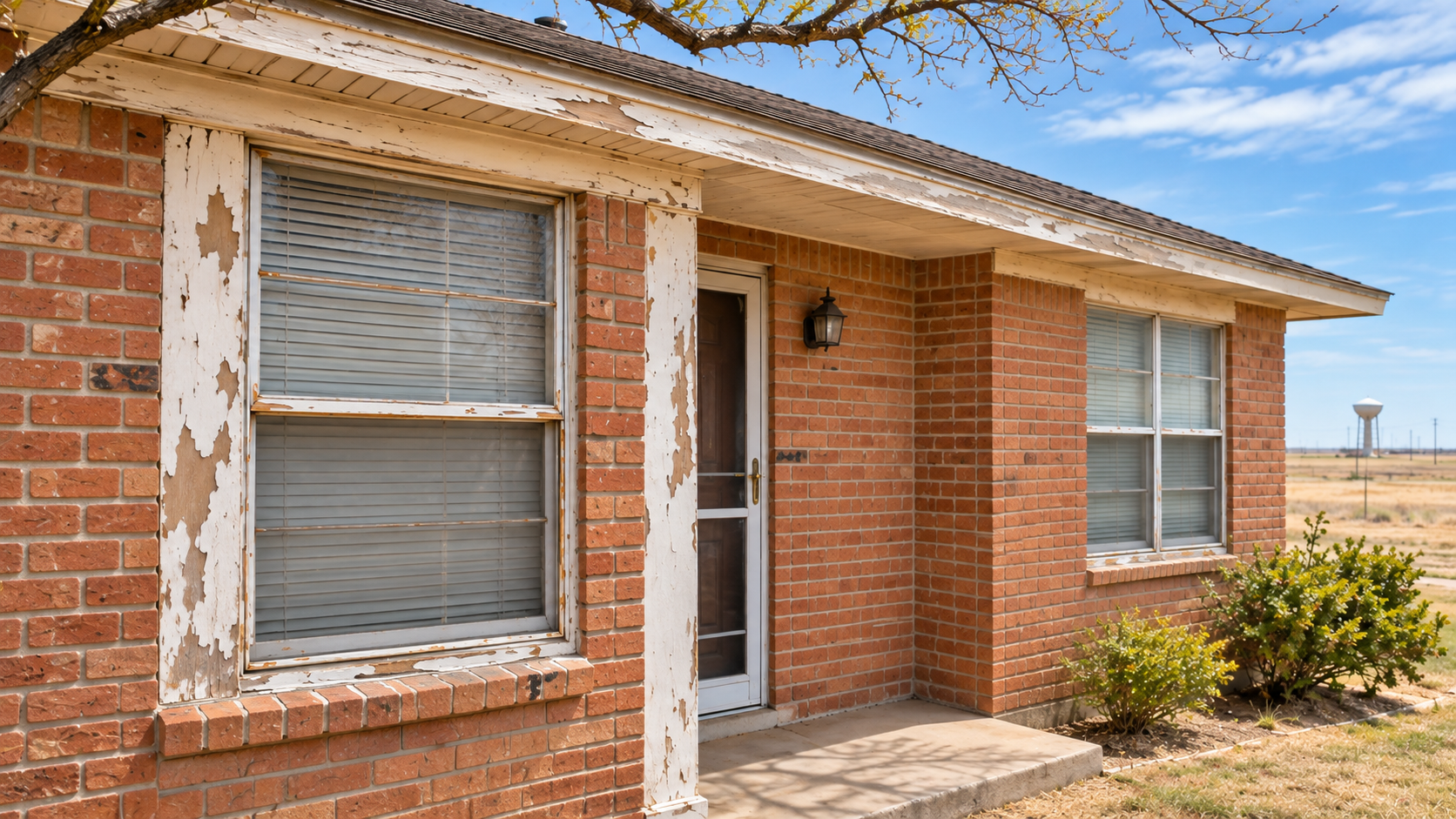
Peeling or chipping paint, particularly in older homes where lead-based paint requirements may apply
A broken window or other damaged feature that presents a safety or security concern
Exposed or frayed electrical wiring
A hazardous condition involving a low-hanging power line
A water-heater installation or drainage issue that the appraiser or lender determines needs attention
These are examples, not a checklist that applies to every FHA purchase. A water-heater drain pan or line, for example, isn’t automatically required in every situation. The home’s specific condition and the lender’s review matter.
What “as-is,” “needs TLC,” and “investor special” can mean for FHA buyers
In practice, homes advertised “as-is,” as needing TLC, or as an “investor special” are often fixer-uppers that need significant work. If the seller is advertising the home as-is before inspections, they may not be willing to make repairs required for FHA financing.
That can create a challenge. If the appraisal identifies a repair the lender requires, the work has to be addressed in a way the lender approves. In some cases, the buyer may be able to take responsibility for certain repairs, but that depends on the repair and the lender’s approval. The work may also need to be completed and documented on the lender’s timeline.
So, while these phrases don’t automatically mean a home is ineligible for FHA financing, they’re usually a good reason to ask questions before making an offer. Talk with your lender about the property’s condition and with your agent about the seller’s position on repairs.
Does conventional financing mean repairs won’t be an issue?
Not necessarily. Conventional loans can also involve appraisal findings, lender requirements, and repair conditions. The details depend on the home, the loan program, and the lender.
A property that may be difficult to purchase with one loan type could work with another, but don’t assume that switching from FHA to conventional will solve every condition issue. Ask your lender to review the specific property and explain your options.
What buyers should do before making an offer
If you’re looking at a home that appears to need work, share what you know about its condition with your lender before you make an offer. Ask how the home’s condition could affect the appraisal, what might happen if repairs are required, and whether you could take responsibility for any of the work.
You should also discuss the seller’s expectations with your real estate agent. If the seller doesn’t want to make repairs, it’s important to understand that before you’re committed to the purchase.
The main takeaway: FHA financing can work for many homes, but a property that needs significant repairs may be a tougher fit—especially when the seller has made clear they’re selling as-is. Find out what your lender will require before you decide to move forward.
If you’re buying in Amarillo, Canyon, or Bushland and aren’t sure whether a home may work with your financing, I can help you think through the property and your next steps. Contact me to talk through your home search.
This article is for general information only. Loan and property requirements vary by lender and transaction. Confirm current requirements with your lender.
Check out this article next