

What Is a Septic System? A Simple Guide for Amarillo-Area Property Owners
If you have always lived in town, you may be used to flushing a toilet or running the washing machine without thinking about where that wastewater goes. The city sewer system handles it.
Homes on acreage and rural properties often work differently. Instead of connecting to a public sewer system, the property may have its own septic system.
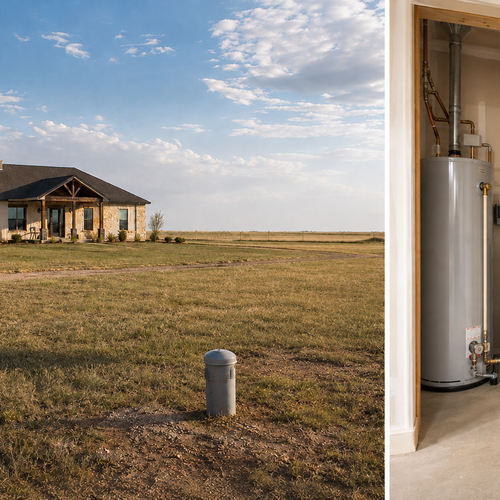
Septic systems are common on acreage around Amarillo, Canyon and Bushland. They are not automatically a problem, but buyers and homeowners need to understand how the system works, where its components are located and how to care for it properly.
What Is a Septic System?
A septic system is an underground wastewater treatment system for a property that is not connected to a city sewer.
Everything that goes down a drain inside the home—including water from toilets, showers, sinks, dishwashers and washing machines—flows into the septic system.
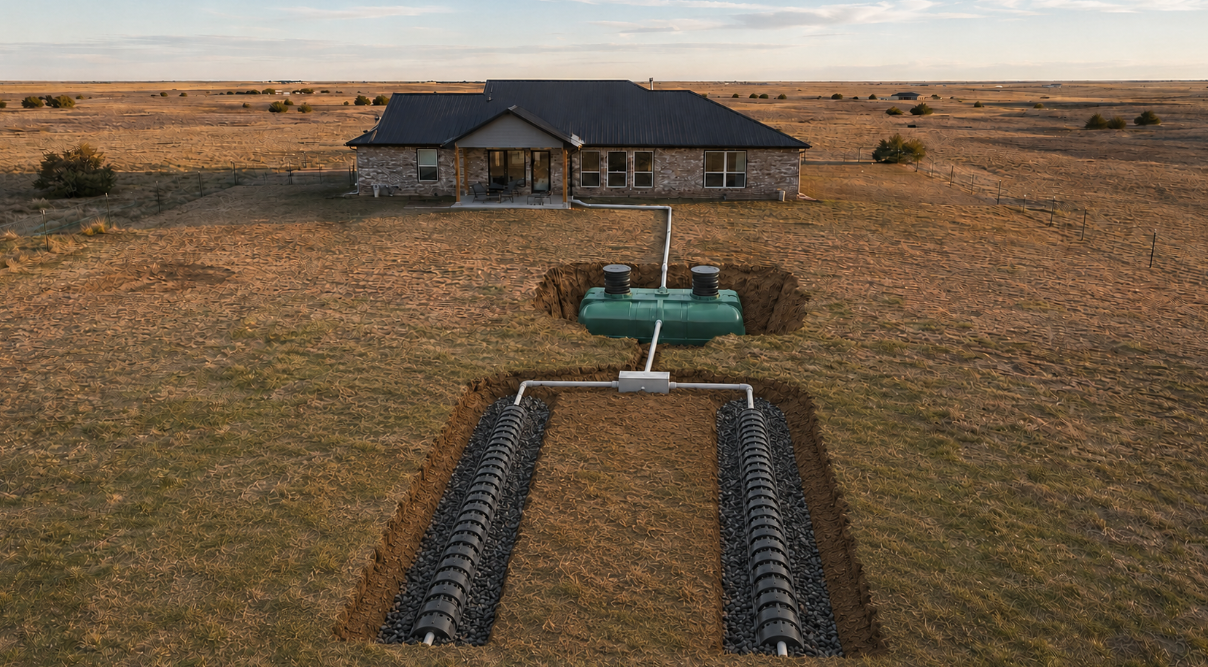
A conventional septic system usually has two main parts:
A septic tank
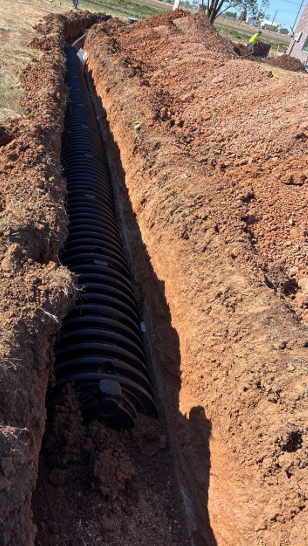
A drainfield made up of leach lines or leaching chambers
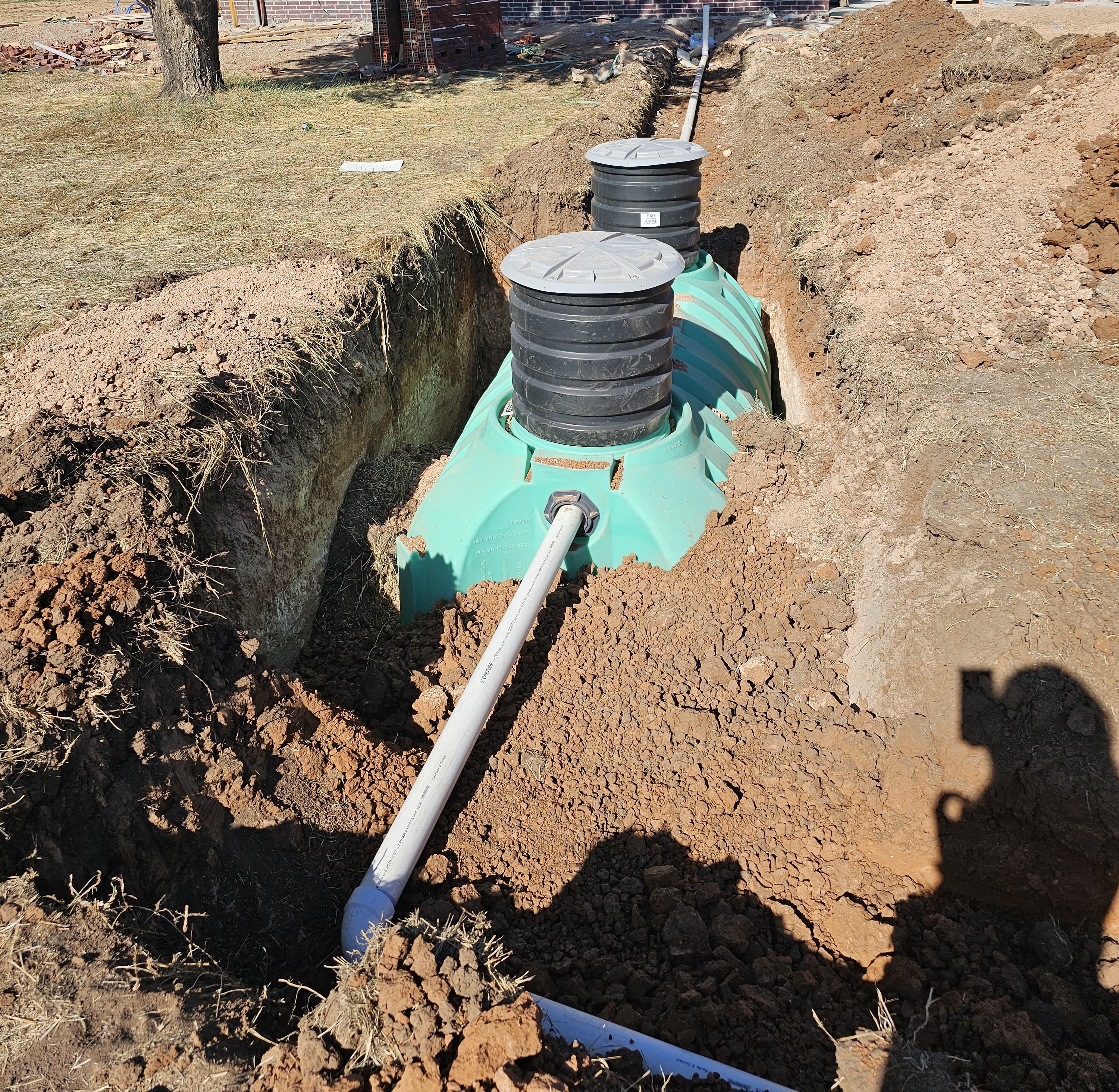
The tank separates and holds the solid waste. The liquid then travels into the drainfield, where it is distributed underground and further treated by the soil.
What Does the Septic Tank Do?
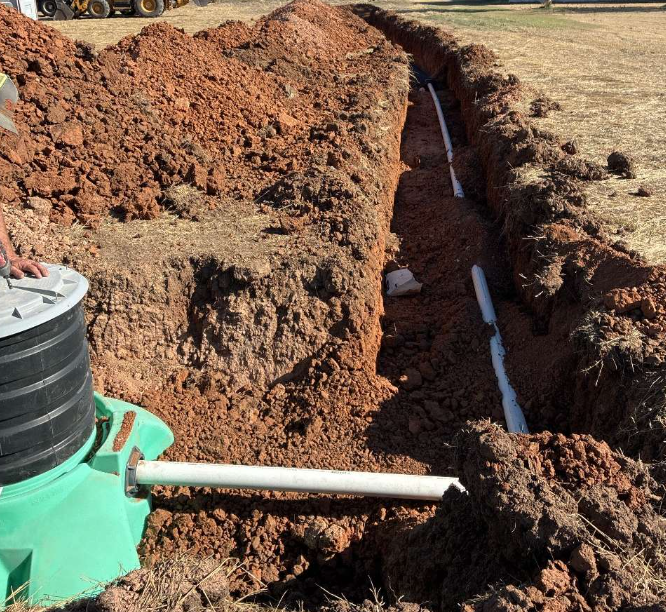
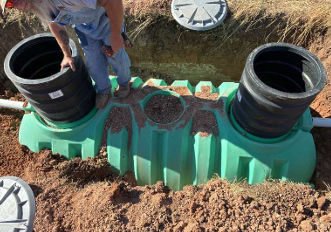
The septic tank is a large, watertight container buried underground. It is commonly made from concrete, fiberglass or another approved material.
When wastewater enters the tank, it naturally separates into layers:
Heavy solids settle to the bottom and form sludge.
Oils, grease and lighter materials float to the top and form a scum layer.
Liquid remains between those layers and eventually flows out toward the drainfield.
Naturally occurring bacteria inside the tank help break down some of the organic waste, but they cannot eliminate everything. Over time, sludge and other solids build up and must be professionally pumped out.
A septic tank normally contains liquid. It does not remain empty after it is pumped. Pumping removes the accumulated solids and gives the system room to continue operating properly.
How Often Should a Septic Tank Be Pumped?
A common guideline is to have a household septic tank pumped approximately every three to five years.
The exact schedule depends on:
The size of the septic tank
The number of people living in the home
The amount of water the household uses
How much solid waste enters the system
Whether the home uses a garbage disposal
The system’s age and condition
A smaller tank serving a larger household may need to be pumped more frequently. A septic professional can inspect the sludge and scum levels and recommend an appropriate schedule.
The EPA recommends having an average household septic system inspected at least every three years and pumping the tank approximately every three to five years. Systems with pumps, floats or other mechanical components generally need more frequent inspections.
Do not wait until sewage backs up into the house to think about pumping. Keep the receipts and maintenance records so you know when the system was last serviced.
Septic Care Starts With What Goes Down the Drain
A septic system depends on naturally occurring bacteria to help process household waste. What you flush or pour down the drain can affect that process.
Use Regular Soap Instead of Antibacterial Hand Soap
One of the simplest changes a septic-system owner can make is choosing regular hand soap instead of antibacterial hand soap for everyday use.
Antibacterial soaps and heavy use of disinfecting products can reduce the beneficial bacteria inside the septic system. One use is unlikely to destroy a functioning system, but routinely sending multiple bacteria-killing products down the drain can place unnecessary stress on it.
Regular soap and proper handwashing are generally all that is needed for daily use. Also limit excessive amounts of bleach, harsh drain cleaners and other strong disinfectants.
Flush Only Toilet Paper and Human Waste
Products labeled “flushable” do not necessarily break down well in a septic system.
Do not flush:
Baby wipes or cleaning wipes
Feminine hygiene products
Paper towels
Cotton swabs
Dental floss
Diapers
Cat litter
Medications
Grease or cooking oil
If it is not toilet paper or human waste, it should generally go in the trash instead of the toilet.
Keep Grease and Food Out of the System
Cooking grease, oil and food scraps can increase the amount of solids in the tank and contribute to clogs.
Scrape plates into the trash before washing them and avoid pouring grease down the sink. Garbage disposals can also increase the amount of solid material entering the septic tank, which may cause the tank to need more frequent pumping.
Be Careful With Water Use
A septic system can only process so much water at one time.
Fix leaking toilets and faucets, and avoid completing several loads of laundry back-to-back when possible. Spreading laundry and other heavy water use throughout the week gives the system time to treat and distribute the wastewater.
Do Not Rely on Septic Additives
Septic additives, enzymes and bacterial treatments are widely marketed, but a normally functioning septic system already receives the bacteria it needs from household wastewater.
Additives do not replace inspections, pumping or proper care. Some products can even cause solids to move out of the tank and into the drainfield.
Signs That a Septic System May Need Attention
Contact a septic professional if you notice:
Toilets, sinks or showers draining slowly
Gurgling plumbing
Sewage backing up into the home
Strong sewage odors inside or outside
Standing water or unusually wet soil near the tank or drainfield
An unusually green strip of grass over the leach lines
A damaged or unsecured access lid
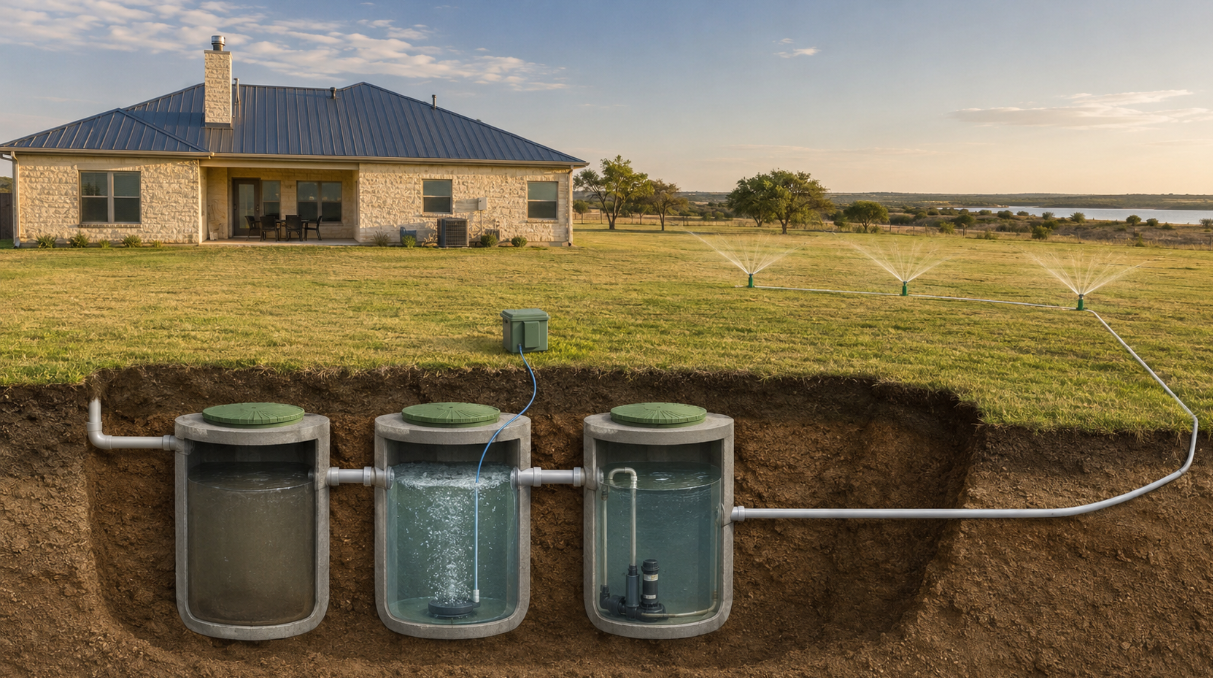
An alarm sounding on an aerobic system
Wastewater surfacing above the ground
These symptoms do not always mean the entire system has failed, but they should not be ignored.
What Should Buyers Inspect?
A general home inspection may not include a complete septic evaluation. When buying a property with a septic system, the septic components should be evaluated by a qualified septic professional as part of your inspections.
Buyers should try to determine:
Where the tank is located
Where the access lids or risers are located
Where the drainfield and leach lines run
Whether the system is conventional or aerobic
When the tank was last pumped
Whether maintenance or repair records are available
Whether permits or installation records are available
Whether any buildings, driveways or other improvements interfere with the system
Whether an aerobic system has an active service agreement
Whether there are signs of leaks, backups or surfacing wastewater
The Amarillo Area Public Health District handles septic-system permitting and inspections in Potter and Randall Counties. Older systems may not have complete records, but it is still worth asking what documentation is available.
If the property also has a private water well, buyers should understand both systems and confirm their locations. You can learn more in my guide to buying an Amarillo-area home with a private well.
What If You Are Selling a Property With a Septic System?
Before listing a property with a septic system, gather any records you have, including:
The original permit or installation information
The most recent pumping receipt
Inspection and repair invoices
A diagram showing the tank and leach-line locations
An aerobic-system maintenance agreement, if applicable
Knowing what type of system you have, where it is located and when it was last serviced can help answer buyer questions and prevent avoidable delays during the transaction.
The Bottom Line
A septic system does not have to make owning or purchasing an acreage property intimidating. It simply requires a little more responsibility than being connected to a city sewer.
Know where the tank and leach lines are located. Protect the drainfield. Be careful about what goes down your drains. Use regular hand soap instead of relying heavily on antibacterial products. Have the tank inspected and pumped on an appropriate schedule.
Whether you are buying an acreage home, preparing to sell one or already own property with a septic system in the Amarillo, Canyon or Bushland area, I can help you understand the rural-property details that may affect your transaction.
Haley Sutter, REALTOR®
Brokered by 2015 Real Estate
Check out this article next